Modern infrastructure depends on equipment that can process more data, support heavier applications, and operate with greater consistency. As rack densities rise, high-density data center cooling becomes an important planning issue rather than a secondary facility concern.
This is especially important for organizations using AI, analytics, cloud platforms, and other performance-driven systems. More compute power often means more heat, and heat must be managed carefully to support uptime planning, hardware performance, and long-term reliability.
What does high-density cooling mean in a data center?
High-density cooling refers to thermal management for racks and equipment that use more power and generate more heat than traditional IT environments. These environments often include GPU servers, dense storage systems, advanced networking equipment, or other high-performance hardware.
The goal is to remove heat consistently and efficiently where possible. Cooling should be planned around the actual equipment profile, not only the room size or the number of racks installed.
Why are modern workloads creating more heat?
Modern workloads often require more processing power in smaller physical spaces. AI training, real-time analytics, rendering, simulation, automation, and large-scale data processing can all place heavy demands on servers.
When more equipment is placed into fewer racks, heat becomes more concentrated. This can create hot spots, airflow pressure issues, and equipment stress if the cooling approach is not designed for the workload.
How does a high-density data center change cooling requirements?
A high-density data center may need more advanced cooling than a traditional facility because the heat load is concentrated. Standard room-level cooling may not be enough when racks draw significantly more power and produce higher thermal output.
Cooling design should consider airflow direction, rack layout, equipment intake temperatures, exhaust paths, containment, and monitoring. The facility should also be able to adapt as equipment generations change and power requirements increase.
| Cooling consideration | Why it matters |
|---|---|
| Rack density | Higher power use can create more concentrated heat |
| Airflow path | Poor airflow can cause hot spots and instability |
| Containment | Helps separate hot and cold air for better efficiency |
| Monitoring | Can help identify temperature changes before they become serious |
| Future hardware | New systems may need more cooling capacity |
What happens when cooling is not planned correctly?
Poor cooling planning can affect performance, reliability, and equipment lifespan. Servers may throttle performance, shut down unexpectedly, or operate under stress when temperatures move outside acceptable ranges.
It can also create operational inefficiency. Cooling systems may work harder than necessary if airflow is poorly managed, which can increase energy use and reduce the effectiveness of the facility design.
What cooling methods are used for dense environments?
Common methods include hot aisle and cold aisle layouts, containment systems, in-row cooling, rear-door heat exchangers, and liquid cooling readiness. The right method depends on rack density, hardware type, facility design, and long-term growth expectations.
Some environments may use air cooling effectively when airflow is well controlled. Others may need liquid-assisted strategies as power density increases. The key is matching the cooling method to the equipment profile rather than applying a one-size-fits-all approach.
Why does airflow management matter so much?
Airflow management helps ensure that cold air reaches equipment intakes and hot air is removed without recirculating. When hot and cold air mix, cooling systems can become less efficient and equipment may receive warmer air than intended.
Strong airflow planning includes blanking panels, cable management, rack placement, containment, and clear separation between supply and return air. These details may seem small, but they can significantly affect thermal stability in dense environments.
Organizations reviewing infrastructure requirements can explore broader data center services to understand how planning, facility readiness, and execution fit together. Cooling decisions should be made early because they influence rack design, power planning, and operational processes.
How does cooling connect to power planning?
Cooling and power planning are closely linked. The more power equipment uses, the more heat it produces, and the more cooling capacity may be required to support it safely.
A high-density data center also needs clear monitoring of both electrical load and thermal performance. This helps teams understand how the environment behaves during normal operations, maintenance periods, and future hardware changes.
Planning teams can also review data center expertise when evaluating facility design, compliance, and operational readiness. Cooling is not only a mechanical issue. It can affect risk, uptime planning, energy use, and infrastructure flexibility.
How does cooling influence sustainability goals?
Cooling can be one of the larger contributors to facility energy use. Improving thermal efficiency can therefore support sustainability planning while also improving operational discipline.
Efficient design may include better airflow control, reduced recirculation, higher equipment tolerance planning, and more effective monitoring.
A practical approach to sustainability should connect energy efficiency with realistic infrastructure requirements. The goal is to support performance while reducing unnecessary waste where possible.
What should organizations ask before deploying dense equipment?
Organizations should first understand the power and cooling profile of the equipment they plan to deploy. This includes expected rack density, peak load, airflow direction, redundancy requirements, and future refresh cycles.
They should also ask whether the facility can support changes over time. Dense infrastructure can evolve quickly, and today’s cooling design may need to support more demanding hardware in the future.
Important questions include:
- What is the expected power draw per rack?
- How will heat be removed from the equipment?
- Are hot and cold air paths properly separated?
- What monitoring is available at rack or room level?
- Can the environment support future hardware upgrades?
- How will maintenance affect cooling and airflow?
- What access procedures protect the equipment environment?
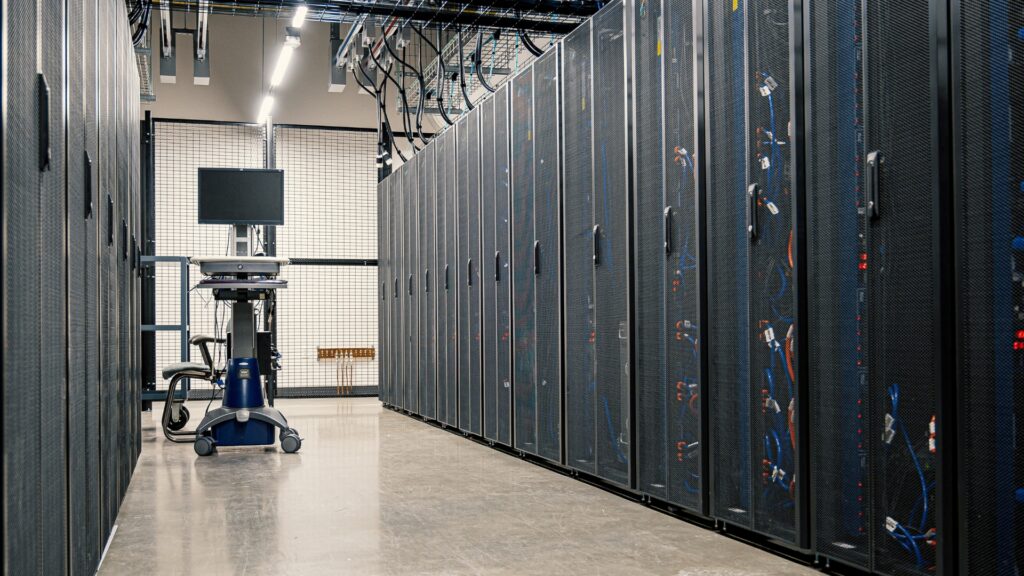
How should teams evaluate cooling before choosing an infrastructure path?
Teams should evaluate cooling as part of the full infrastructure plan, not as a separate mechanical detail. The review should include workload type, rack density, power distribution, airflow design, monitoring, redundancy, maintenance access, and expansion needs.
Location strategy can also influence infrastructure decisions. Teams may want to review data center locations when considering latency, regional resilience, operational access, and long-term planning. A practical checklist should confirm whether the facility can support current hardware, future density, clear monitoring, stable operations, and documented procedures before deployment decisions are made.