

Mission-critical infrastructure includes the systems, facilities and technologies an organization depends on to maintain essential business operations. From data centers and network connectivity to power, cooling, security and backup systems, resilient infrastructure helps reduce single points of failure, improve business continuity and keep critical applications available during disruption.
For modern organizations, these systems often include data centers, networks, cloud platforms, security tools, power systems, and applications that support daily service delivery. The goal is not to remove every risk. It is to reduce weak points, improve resilience, and create a more disciplined operating environment.
What Is Mission-Critical Infrastructure?
Mission-critical infrastructure refers to the physical and digital systems that are essential to business operations. If these systems fail, the organization may face downtime, service disruption, financial loss, safety concerns, or reputational damage.
In a data center context, this can include power delivery, cooling, networking, access control, monitoring, backup systems, and operational procedures. Each element should support the wider environment, because one weak area can affect the reliability of the whole system.
Why does reliability matter for modern business operations?
Modern businesses often rely on highly available systems to serve customers, process information, communicate, and make decisions. Even short interruptions can affect productivity, revenue, compliance obligations, and trust.
Reliability is not only about keeping servers online. It also involves planning for maintenance, unexpected failures, cybersecurity events, utility issues, vendor disruptions, and changing workload demands. Strong infrastructure planning can help reduce the chance that one event will stop essential operations.

How does infrastructure resilience support business continuity?
Business continuity planning focuses on keeping essential functions running during disruption where possible. Well-planned infrastructure can give teams a stronger foundation for continuity planning, recovery steps, and operational decision-making.
Ready.gov business continuity planning guidance notes that business continuity planning can help organizations prepare to manage disruption, organize a continuity team, and create a plan for ongoing operations. This kind of planning connects directly to infrastructure choices, because recovery depends on systems that can be monitored, protected, and restored when needed.
What systems are usually considered mission critical?
The exact systems depend on the organization, industry, and operating model. For many companies, critical systems include customer platforms, payment systems, internal applications, communications tools, cloud services, databases, and core networks.
In infrastructure planning, it helps to separate systems by business impact. This makes it easier to decide which systems need stronger redundancy, faster recovery, tighter access controls, or more careful monitoring.
| Infrastructure area | Why it matters |
|---|---|
| Power systems | Support continuous equipment operation |
| Cooling systems | Protect hardware stability and performance |
| Network connectivity | Keeps applications and users connected |
| Security controls | Help protect access, data, and facilities |
| Monitoring tools | Can help detect faults before they grow |
| Backup and recovery | Supports restoration after disruption |
| Operational procedures | Guides teams during normal and abnormal conditions |
Mission Critical Data Center Infrastructure
Data centers provide the controlled environment needed to house and operate essential IT systems. This environment may include power, cooling, physical security, network connectivity, monitoring, and structured maintenance procedures.
Organizations reviewing broader infrastructure needs can explore data center services to understand how planning, execution, compliance, and facility readiness fit together. These factors help businesses think beyond equipment and focus on the full operating environment.
Redundancy & Failover in Mission Critical Infrastructure
Redundancy helps reduce dependence on a single component, path, or system. It may apply to power feeds, cooling systems, network routes, hardware, storage, or backup environments.
Failover is the process of shifting workloads or operations to another system when the primary system fails. Together, redundancy and failover can help reduce downtime, but they must be designed and tested carefully. A backup system that is not documented, monitored, or tested can create a false sense of security.
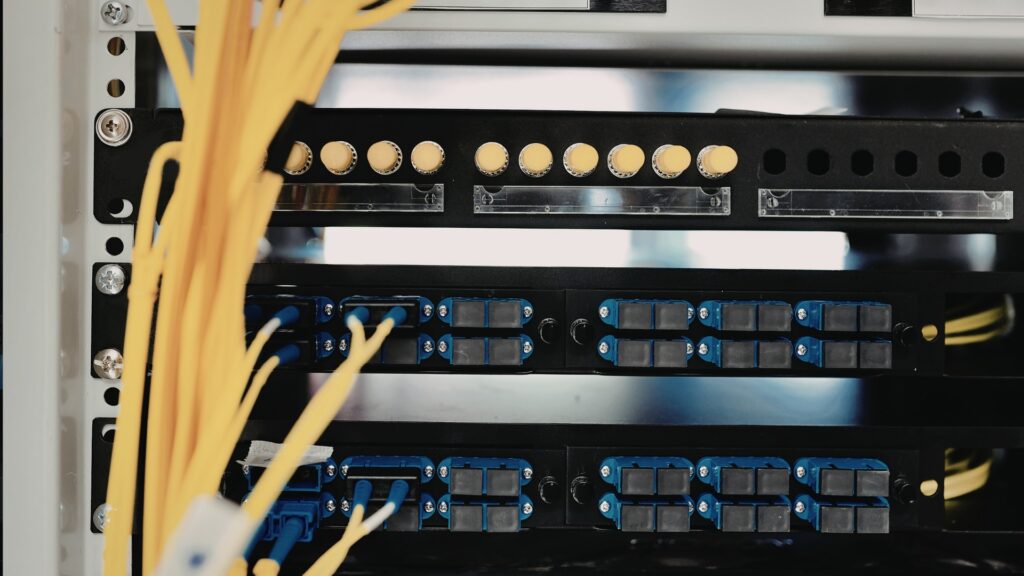
Why Mission-Critical Infrastructure Matters for Business Reliability?
Physical security helps control who can access equipment, rooms, and supporting systems. This matters because unauthorized access, accidental interference, or poor visitor control can create operational risk.
Security planning may include access controls, cameras, visitor management, restricted areas, logging, and defined procedures for maintenance teams. Organizations can review data center expertise when considering how security, compliance, governance, and operational standards connect.
How does infrastructure planning support cybersecurity readiness?
Cybersecurity is not only a software issue. It also depends on network design, access management, backup planning, monitoring, and operational discipline.
Reliable infrastructure planning can support cybersecurity readiness by helping teams isolate systems, control access, document procedures, and recover from incidents. This is especially important when systems support sensitive data, customer services, proprietary platforms, or regulated operations.
Strong planning should also define responsibilities. Teams need to know who monitors systems, who responds to alerts, who approves changes, and who communicates during an incident.
How can sustainability fit into critical infrastructure planning?
Sustainability considerations can support long-term infrastructure planning when they are approached realistically. Efficient cooling, careful energy planning, monitoring, and carbon awareness can help reduce avoidable waste while supporting operational needs.
Critical infrastructure should not sacrifice resilience for appearance. Instead, teams should look for practical improvements that support both reliability and efficiency. The approach to sustainability should connect environmental goals with real infrastructure requirements.
Location strategy can also play a role. Reviewing available data center locations can help organizations think through access, resilience, latency, and continuity needs.
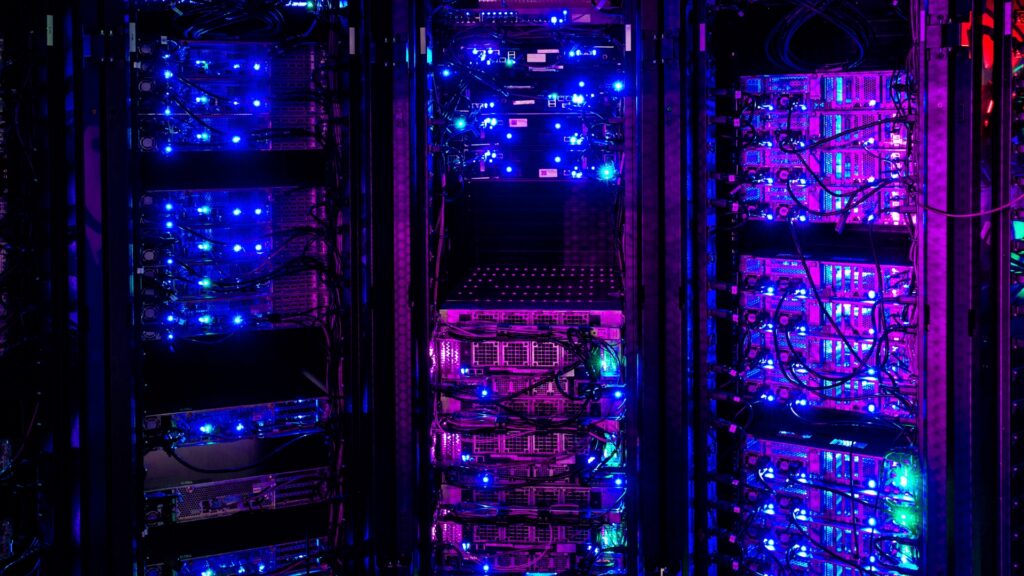
What to Evaluate in Mission Critical Infrastructure
Teams should begin with a clear understanding of business impact. They need to identify which systems are essential, how long they can be unavailable, and what level of recovery is acceptable.
Mission-critical infrastructure should then be evaluated through a practical checklist. This helps technical, operational, and leadership teams make decisions based on risk, continuity, and long-term value.
A useful planning checklist includes:
- Which systems are essential to daily operations?
- What happens if each system fails?
- What recovery time is acceptable?
- Are power, cooling, and network systems properly supported?
- Is there enough redundancy for critical operations?
- Are access controls documented and enforced?
- Are backups tested regularly?
- Are monitoring alerts reviewed by responsible teams?
- Are maintenance procedures clearly defined?
- Can the infrastructure support future growth?
Reliable operations are supported by planning, testing, and continuous review. Mission-critical infrastructure should be treated as a long-term business foundation, not only a technical expense.