As businesses rely more heavily on digital systems, the question of what is a data center becomes more relevant than it once was. A data center is the environment that supports the storage, processing, and movement of data, making it an important part of how modern organizations run applications, manage information, and support digital operations.
That matters because many everyday business functions now depend on infrastructure that users never see directly. Whether a company operates internal systems, customer platforms, or cloud-based tools, the underlying environment can play an important role in reliability, continuity, and long-term planning.

What is a data center?
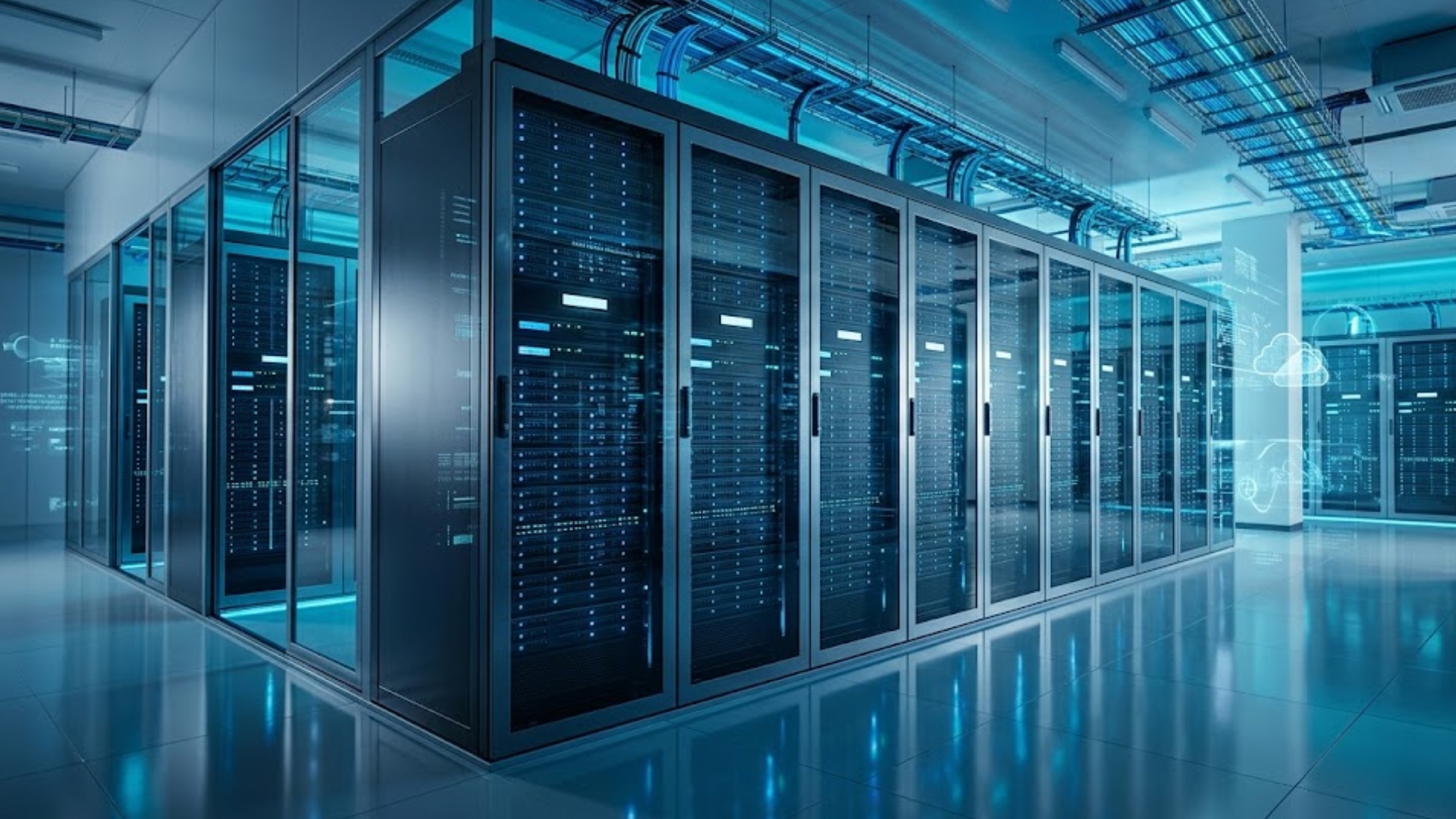
A data center is a physical facility that houses computing infrastructure such as servers, storage systems, and networking equipment. It provides the environment needed for those systems to operate securely, consistently, and with the support required for business use.
That environment includes more than hardware alone. Power, cooling, cabling, monitoring, and physical protection all contribute to whether the systems inside can perform reliably over time.
Why do businesses rely on data centers?
Businesses rely on data centers because digital services need a stable place to run. Websites, applications, communications tools, storage platforms, and internal systems all depend on infrastructure that can support continuous operation and controlled performance.
This reliance makes the topic important beyond technical teams alone. When infrastructure is poorly managed, the effects can reach customers, employees, and day-to-day business activity in practical ways.
What systems are usually found inside one?
Most data centers include servers for processing workloads, storage systems for retaining information, and networking equipment for moving data between services and users. They also include racks, cabling, power distribution systems, cooling equipment, and monitoring tools.
The exact mix depends on the purpose of the facility. Some environments support a single organization, while others are designed to handle multiple customers, broader connectivity, or more complex infrastructure requirements.
How does a data center support uptime?
A data center can support uptime planning by providing the physical and technical controls needed to keep systems running when demand changes or problems arise. Backup power, cooling systems, network resilience, and monitoring can all help reduce the likelihood of avoidable interruption.
Reliable uptime does not depend on one element alone. It comes from how the full environment is designed, maintained, and managed across multiple layers working together. Businesses looking at broader operational support often begin by understanding available services.
How do power and cooling affect performance?
Power and cooling are essential because computing equipment requires stable electricity and controlled temperatures to perform properly. If either system is weak, the risk of performance issues, equipment stress, or service disruption can increase.
This is one reason data centers are designed as full operating environments rather than rooms filled only with hardware. Supporting systems matter just as much as the servers they protect.

How is a data center different from the cloud?
The cloud and a data center are closely related, but they are not the same thing. Cloud services run on infrastructure located in data centers, even if the user experiences those services as flexible on-demand platforms rather than physical environments.
That means the cloud still depends on real facilities, equipment, and operational design. Understanding that connection helps answer what is a data center in a more practical way, especially for businesses comparing different infrastructure models.
Are all data centers built for the same purpose?
Not all data centers are built in the same way or for the same use. Some are designed for enterprise workloads, some support colocation, and others are built at much larger scale for cloud or platform demand.
That variation matters because infrastructure decisions should be based on actual workload needs, resilience expectations, and long-term direction rather than assuming every facility offers the same fit.
How do scalability and location influence planning?
Scalability influences how well an environment can support future growth in applications, users, and processing demand. A facility may meet current needs but become restrictive if expansion was not considered early enough.
Location also affects connectivity, regional access, and broader infrastructure strategy. That is why many businesses reviewing future plans also consider suitable locations as part of their evaluation.

How can businesses compare core data center considerations?
The most useful comparison points usually include resilience, connectivity, power, cooling, security, and room for future growth. Looking at these together helps create a more balanced view of what matters most for the systems a business depends on.
A structured comparison also makes it easier to separate general interest from practical planning needs. That helps teams focus on infrastructure factors that have direct operational impact.
| Core area | Why it matters | Typical planning focus |
|---|---|---|
| Power | Can support continuity planning | Backup systems and redundancy |
| Cooling | Helps protect performance | Thermal control and efficiency |
| Connectivity | Affects speed and access | Network diversity and resilience |
| Security | Helps protect assets and access | Physical and operational controls |
| Scalability | Can support future demand | Capacity planning and flexibility |
For broader context, this external overview of data centers offers a useful introduction to how these environments support digital infrastructure.
What practical checklist should guide evaluation?
A practical review begins with a few clear questions. Which systems are most important, how much downtime is acceptable, where are the main operational dependencies, and how quickly might digital demand grow over time?
From there, teams can work through a simple checklist. Review current infrastructure dependence, assess resilience across key systems, evaluate connectivity and power priorities, compare current capacity against future demand, and identify which operational factors matter most for long-term planning. Businesses wanting broader background can also explore expertise, read more about us, or follow further insight on the blog.