
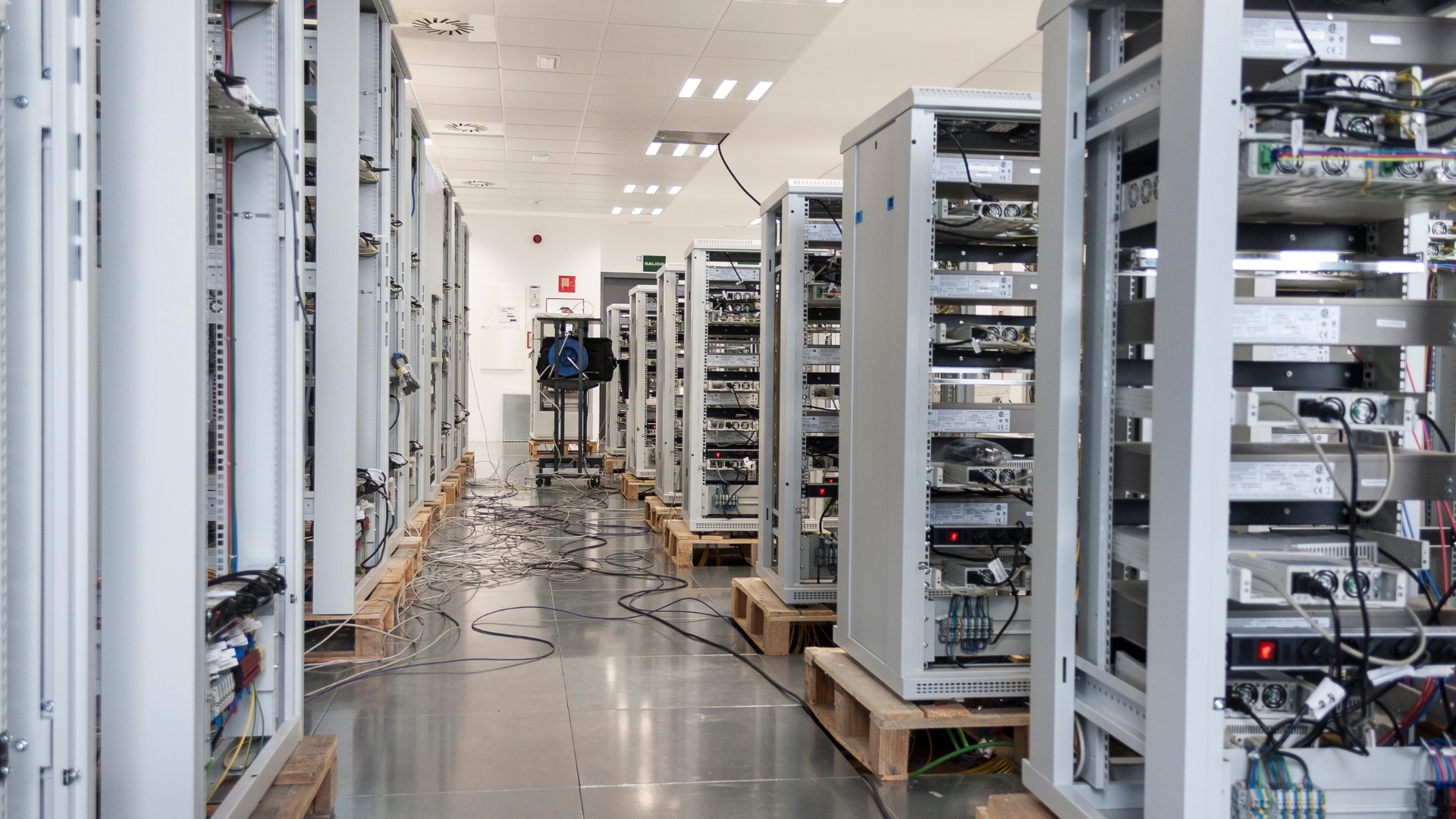
Scalable growth depends on systems that can support rising demand without creating unnecessary instability. AI infrastructure matters in that context because it connects compute, storage, networking, power, cooling, and facility planning into one environment that can support heavier and more complex workloads.
That matters for businesses running analytics, automation, customer platforms, internal applications, and data-intensive operations. As digital demands increase, the quality of the underlying infrastructure can play a larger role in uptime planning, responsiveness, and long-term growth planning.
What does AI infrastructure include?
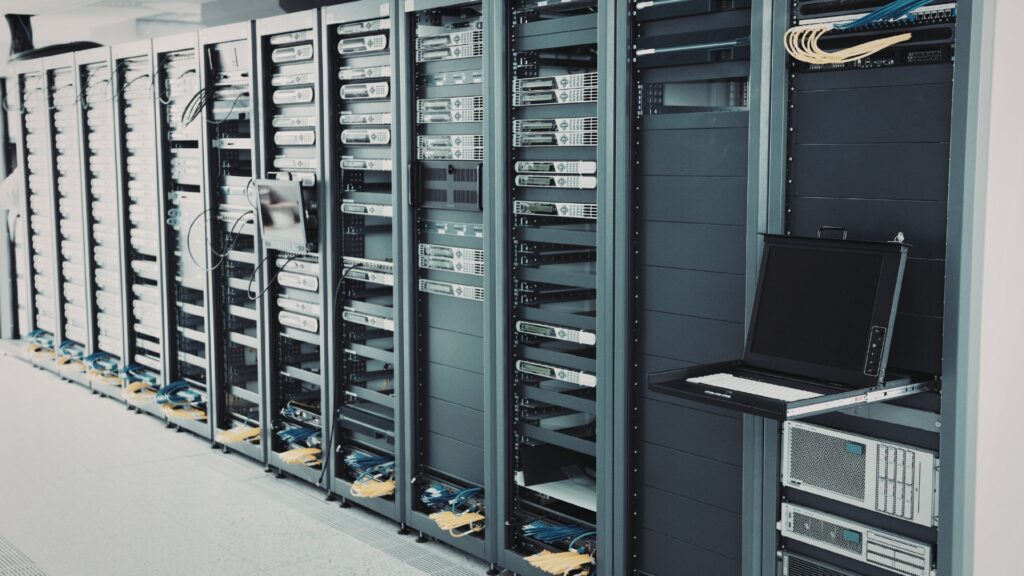
AI infrastructure includes the technical and physical systems that support demanding computing environments. This usually covers servers, accelerators, storage, network equipment, racks, power systems, cooling systems, monitoring tools, and the facility controls that help keep everything operating in a stable way.
It also includes the planning layer around those systems. Capacity design, operational processes, physical security, resilience measures, and documentation can all shape how well infrastructure performs when business demand starts to increase.
Why does AI infrastructure matter for scalable growth?
Growth can change infrastructure needs quickly. Workloads become heavier, data volumes increase, and service expectations rise, which means the environment supporting those systems should be planned for more sustained demand.
When infrastructure is not designed with growth in mind, expansion can create avoidable delays, performance problems, or operational risk. Businesses reviewing how infrastructure planning fits broader delivery goals often begin by understanding available services and how those services may support future operating needs.
How do compute and storage affect performance?
Compute and storage influence how quickly systems can process information, train models, serve applications, and support internal operations. If either area is undersized or poorly aligned, performance can suffer even when other parts of the environment are strong.
This becomes more important as workloads become more distributed and data volumes increase. A better infrastructure design looks at compute and storage as part of a wider system, not as isolated technology purchases.
What role do power and cooling play in reliability?
Power and cooling are central to reliability planning because dense computing equipment depends on stable electricity and controlled temperatures. If either system is weak, hardware can run less efficiently, failure risk can rise, and recovery from disruption can become harder.
Well-planned environments account for backup power, load management, airflow, and thermal design early in the process. In AI infrastructure, that level of planning is especially important because heavier workloads can place more sustained pressure on facility systems.

How does network design support AI workloads?
Network design shapes how data moves between users, platforms, applications, and external services. Poor design can create bottlenecks, latency, and weak points that affect both technical performance and day-to-day business operations.
A stronger network design can improve continuity, visibility, and service consistency. Businesses that want a clearer view of how design, coordination, and execution fit together often review a provider’s expertise before making long-term infrastructure decisions.
Why do security and compliance matter in infrastructure planning?
Security and compliance matter because infrastructure decisions affect more than technical output. They influence access control, documentation, monitoring, facility procedures, and the ability to support regulated or high-trust operating environments.
That is especially relevant for businesses handling healthcare records, financial information, customer data, or internal intellectual property. A stronger planning approach considers governance and audit readiness before those requirements become urgent.
How do location and facility strategy affect resilience?
Location and facility strategy can affect latency, utility access, regional reach, and recovery planning. A well-positioned site may support better service delivery while also giving a business more flexibility when unexpected disruption occurs.
That is why infrastructure planning should consider more than rack space or building size alone. Businesses reviewing regional fit and long-term access often start by evaluating possible locations and how those choices support wider operational goals.
What makes flexibility important as business needs change?
Flexibility matters because demand rarely stays fixed for long. New applications, changing customer expectations, and larger data sets can all shift infrastructure requirements faster than many teams expect.
A more flexible environment can make it easier to support new workloads, adopt phased growth, and adjust operating models without constant redesign. Long-term planning also benefits from understanding how energy strategy and responsible operations connect to sustainability considerations.

How can businesses compare infrastructure priorities?
The right priorities depend on workload sensitivity, growth expectations, risk tolerance, and operational goals. Some organizations may focus more on power resilience and compliance, while others may place greater value on connectivity, location strategy, or phased capacity expansion.
A structured comparison helps decision-makers focus on what affects the business most directly. That makes infrastructure planning more practical and reduces the chance of treating every decision as equally urgent.
| Infrastructure area | Why it matters | Common planning focus |
|---|---|---|
| Compute | Supports workload execution and responsiveness | Capacity, density, and performance fit |
| Storage | Supports data access and continuity planning | Scalability, speed, and reliability |
| Power and cooling | Helps protect uptime planning and hardware stability | Redundancy, airflow, and thermal control |
| Network | Supports speed and service continuity planning | Low latency, resilience, and visibility |
| Security and compliance | Helps protect systems and supports governance | Access control, monitoring, and documentation |
For broader background, this external overview of data centers provides useful context on the facility and infrastructure systems that support modern digital operations.
What practical checklist should guide infrastructure planning?
A practical review starts with a few grounded questions. Which workloads are most important, how much downtime is acceptable, where are the current constraints, and how much demand is likely to grow over the next few years?
From there, teams can work through a simple checklist. Review current capacity, confirm power and cooling readiness, assess storage and network performance, clarify security and compliance expectations, and compare today’s environment against future growth plans. Businesses that want broader context can also read more about us or follow current infrastructure topics on the blog.