Growth can put pressure on infrastructure in ways that are not always visible at first. For many organizations, a colocation data center can provide a more stable path by combining secure facility support with the flexibility to keep control of their own hardware and operating decisions.
That matters when systems become harder to manage, workloads expand, and downtime starts to carry more financial and operational risk. A stronger infrastructure model can help businesses support growth without taking on the full burden of building and maintaining a facility from the ground up.

What is a colocation data center?
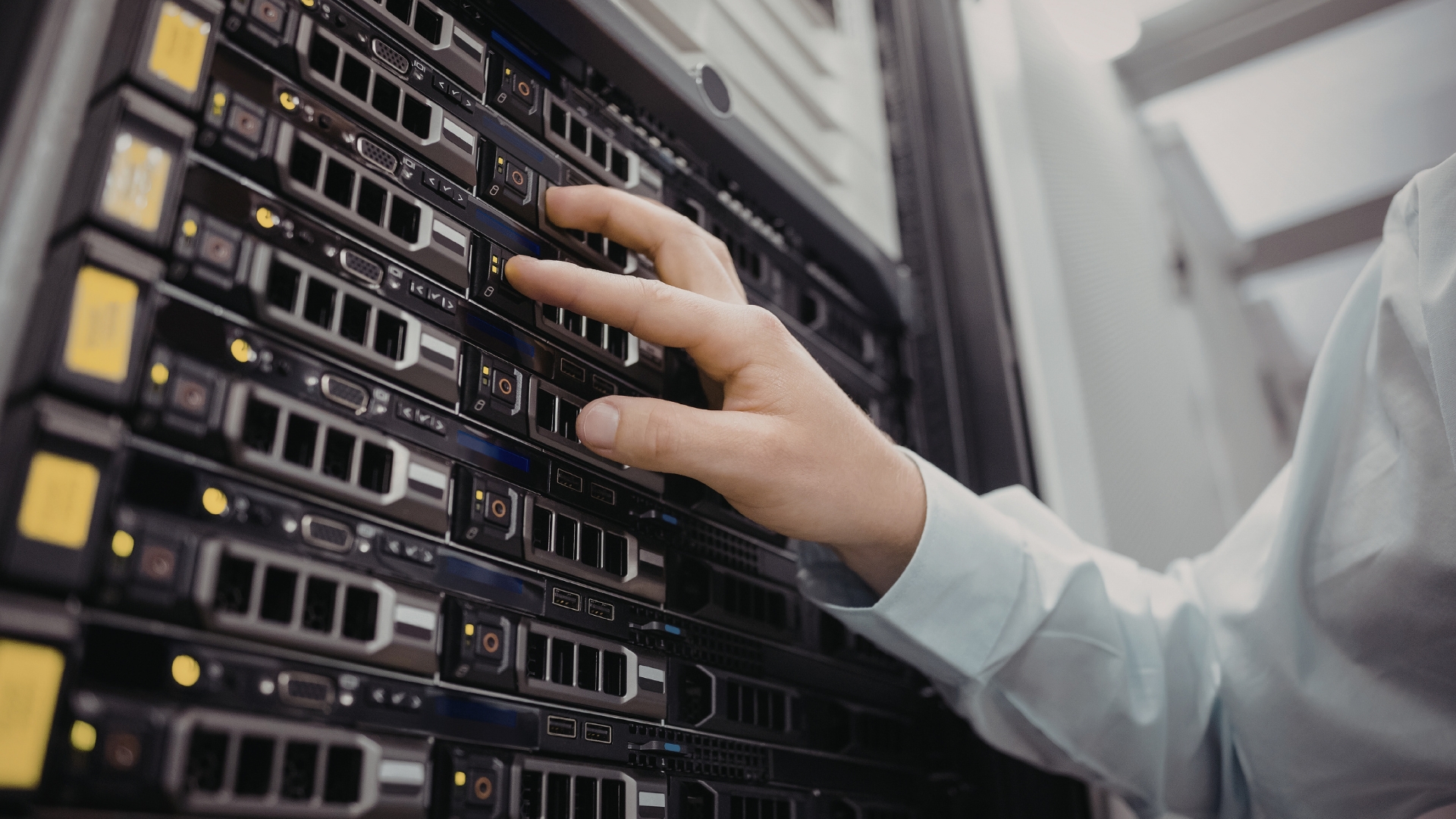
A colocation data center is a facility where businesses place their own servers and equipment within an environment designed for power, cooling, connectivity, and physical security. The business keeps control of its hardware and software while the facility provides the supporting infrastructure that can help those systems run reliably.
This model is often useful for companies that need more resilience than a typical server room can provide but do not want the cost and complexity of developing a dedicated site. Businesses exploring this model in more detail can review Crystal Peaks Data Centers’ approach to colocation.
Why does colocation make sense for growing businesses?
Growth usually increases demand on applications, storage, security, and network performance all at once. When that happens, in-house environments can become difficult to scale in a controlled way, especially if they were not designed for changing business requirements.
Colocation can help by giving businesses access to a more capable facility layer without forcing them to give up direct ownership of their equipment. For companies reviewing broader infrastructure planning, it can also help to compare how these needs relate to available services.
How is colocation different from public cloud and on-premises infrastructure?
Public cloud, on-premises environments, and colocation each solve different problems. Public cloud shifts more control to a provider, while on-premises infrastructure keeps everything in-house. Colocation sits between those models by letting businesses own and manage their systems inside a third-party facility.
That balance can be valuable when a company wants stronger facility reliability while keeping direct oversight of hardware, network design, or compliance controls. It can also support hybrid environments where some workloads stay close to the business while others remain in cloud platforms.
What responsibilities stay with the business in a colocation model?
In most colocation arrangements, the business remains responsible for its servers, applications, operating systems, and data management. The provider supports the facility environment, while the customer continues to manage the technology stack that runs inside it.
That means planning should be clear from the start. Teams need to understand who handles hardware maintenance, remote access, monitoring, security policies, and escalation if an issue affects operations. A colocation data center works best when those responsibilities are defined early and reviewed regularly.

How do power, cooling, and connectivity affect reliability?
Power, cooling, and connectivity form the core operating layer of any serious infrastructure environment. If any of those systems are weak, even well-managed servers can suffer from performance problems, avoidable interruption, or increased hardware risk.
Reliable colocation planning usually depends on stable electrical design, controlled temperatures, resilient network access, and ongoing monitoring. These factors matter more as businesses grow because workloads can become harder to pause, move, or recover after disruption.
Why do location and latency matter in colocation planning?
Location affects how quickly users and systems can reach business applications, and it also influences network diversity, utility access, and recovery options. A well-positioned site may support better service performance while reducing the operational friction that comes with distance.
It is also a practical issue for companies that serve regional customers or manage latency-sensitive systems. Businesses weighing those factors often start by looking at possible locations and how location strategy fits their wider operating model.
How do security and compliance influence colocation decisions?
Security and compliance influence more than access badges and policy documents. They shape physical controls, visitor procedures, monitoring, documentation, audit readiness, and the way infrastructure decisions are made over time.
This is especially important for businesses handling sensitive records, financial data, healthcare information, or regulated internal systems. A stronger colocation data center strategy considers these obligations early so growth does not outpace governance and operational discipline.
What makes scalability important in a colocation strategy?
Scalability matters because growing businesses rarely stay at the same level of demand for long. Storage requirements change, application traffic rises, and critical workloads often become more important as a company expands into new markets or services.
A scalable strategy can give teams room to add capacity in stages instead of redesigning infrastructure every time demand shifts. Long-term planning can also benefit from reviewing how energy performance and operating efficiency connect to sustainability considerations.

How can businesses compare colocation priorities?
The right priorities depend on workload sensitivity, expected growth, risk tolerance, and internal support capability. Some businesses need stronger redundancy and tighter compliance controls, while others place more weight on regional access, network reach, or room for phased expansion.
A structured comparison helps decision-makers focus on the factors that affect operations most directly. That creates a clearer basis for choosing a suitable colocation solution instead of treating every feature as equally important.
| Planning area | Why it matters | Common business focus |
|---|---|---|
| Power and cooling | Can support uptime planning and hardware stability | Redundancy and thermal control |
| Connectivity | Affects speed and service continuity planning | Low latency and network resilience |
| Security | Helps protect systems and access | Physical controls and monitoring |
| Compliance | Supports governance and audit readiness | Documented procedures and oversight |
| Capacity | Can support future growth | Phased expansion planning |
For broader background, this external overview of data centers provides useful context on the facility systems and operating environment that support modern digital infrastructure.
What practical checklist should guide colocation planning?
A practical review should begin with a few direct questions. Which workloads are most important, how much downtime is acceptable, what internal support model is realistic, and where are the current infrastructure limits already starting to show?
From there, businesses can work through a simple checklist. Review current capacity, confirm power and cooling needs, evaluate connectivity and latency requirements, clarify security and compliance obligations, and compare today’s design with future growth plans. Teams that want additional perspective can also follow infrastructure commentary on the blog.