
Digital-first business models depend on systems that stay available, secure, and responsive as demand changes. Data centers matter in that environment because they provide the physical and technical foundation that supports applications, storage, networking, and the operating conditions needed to support reliable services.
That matters whether a business supports customer platforms, financial systems, internal operations, or large volumes of business data. As more organizations rely on connected services, infrastructure decisions can play a bigger role in continuity, resilience, and long-term growth planning.
What do data centers do for modern businesses?
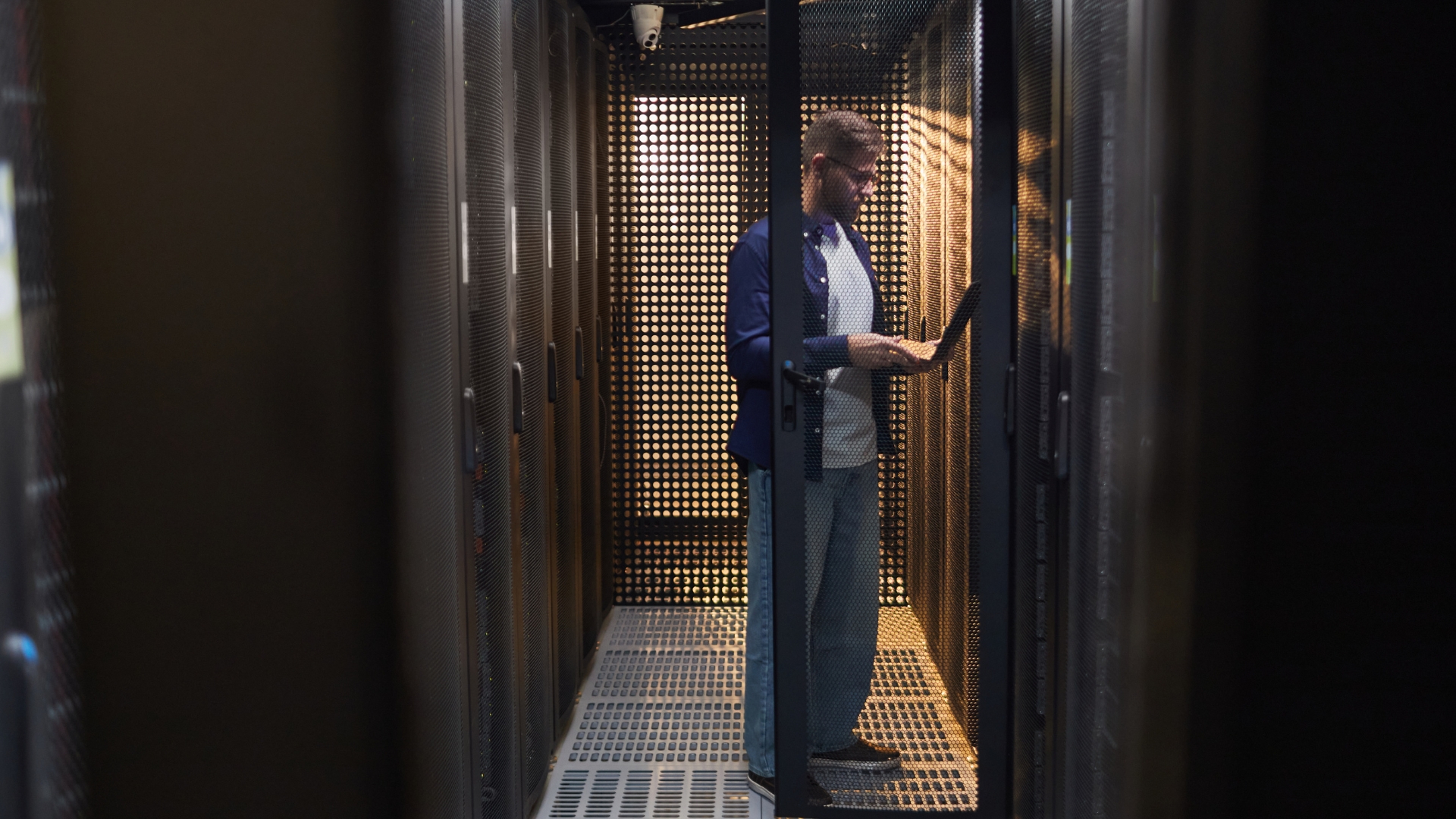
Data centers provide the environment where critical computing systems can operate reliably. They support servers, storage, network equipment, power systems, cooling systems, security controls, and monitoring tools that can help businesses keep digital services available.
For many organizations, that role extends far beyond simple equipment housing. The right environment can help support uptime planning, operational discipline, and better planning as digital needs become more complex over time.
Why do they matter more in a digital-first business world?
A digital-first business depends on systems that often work in the background, even when customers never see the infrastructure directly. If the underlying environment is weak, performance issues and outages can quickly affect operations, service quality, and internal productivity.
That is why infrastructure planning now carries broader business value. Companies reviewing how facility strategy supports growth often begin by looking at available services and how those services connect to business continuity and operational needs.
How do power and cooling affect business continuity?
Power and cooling are central to business continuity planning because hardware depends on stable electricity and controlled temperatures. When either system is weak, the risk of hardware stress, performance loss, and service interruption can increase.
Well-planned facilities account for backup power, load management, airflow, and thermal design from the start. These measures can help create a more dependable environment for business-critical systems and reduce the chance of avoidable disruption.
What role does network design play in performance?
Network design determines how effectively systems exchange data between users, applications, cloud services, and connected locations. Poor design can create latency, bottlenecks, and single points of failure that affect the business in practical ways.
Stronger design can support speed, visibility, and resilience across a wider operating environment. For businesses reviewing how planning and execution fit together, it can help to understand a provider’s broader expertise.
How do security and compliance shape facility decisions?
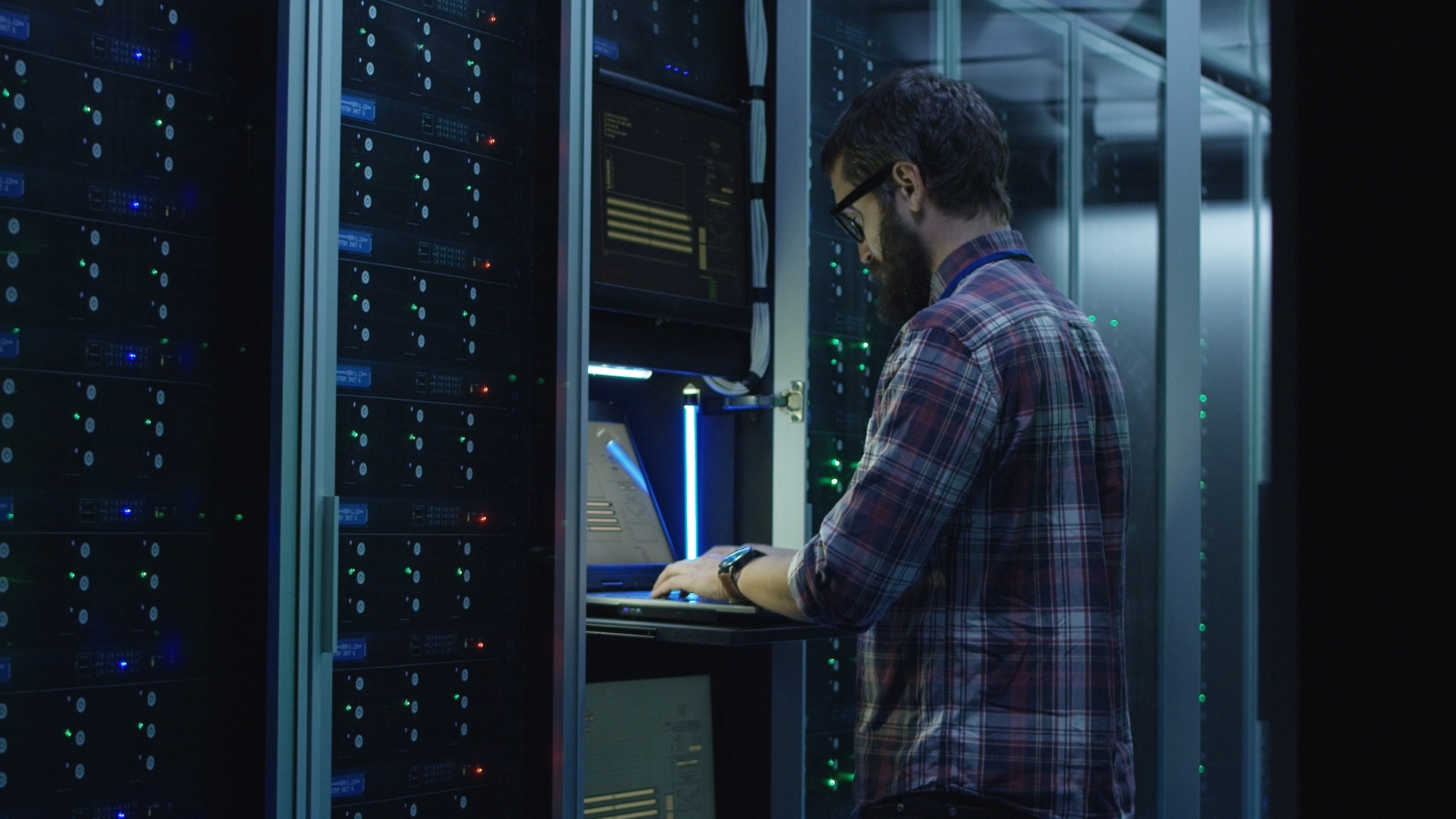
Security and compliance affect more than policy documents. They influence physical access, monitoring, documentation, change control, visitor procedures, and how teams manage risk across the operating environment.
This becomes especially important when businesses support financial data, healthcare information, internal systems, or customer platforms with higher trust requirements. Stronger planning considers these obligations early so infrastructure can support governance as the business grows.
Why does location strategy matter for digital operations?
Location strategy can affect latency, connectivity, utility access, and recovery options. A suitable site can place infrastructure closer to users or systems while also improving operational flexibility during disruption.
That is why site selection should look beyond available space alone. Businesses weighing regional fit and long-term planning often start by evaluating possible locations and how location supports broader service goals.
How do data centers support scalability?
Scalability matters because business demand rarely stays fixed. New applications, more users, heavier processing needs, and larger data volumes can all place pressure on infrastructure that was designed only for current requirements.
A stronger environment can support phased growth without forcing constant redesign. Long-term planning also benefits from understanding how energy use, efficiency, and responsible operations connect to broader sustainability considerations.
What is the difference between facility infrastructure and IT equipment?
Many people think first about servers and storage when they picture digital infrastructure. In reality, those systems depend on a wider support layer that includes power, cooling, network paths, physical security, monitoring, and the facility itself.
That distinction matters because equipment alone cannot guarantee resilience. Businesses that treat infrastructure as a full operating environment are usually better prepared for maintenance, growth, and recovery planning.
How can businesses compare infrastructure priorities?
The right priorities depend on workload sensitivity, growth expectations, risk tolerance, and service goals. Some organizations may focus more on redundancy and compliance, while others may place greater value on connectivity, site reach, or future expansion.
A structured comparison helps decision-makers focus on what matters most instead of treating every infrastructure feature as equally urgent. That creates a clearer path for investment and operating decisions.
| Infrastructure area | Why it matters | Common planning focus |
|---|---|---|
| Power | Can support uptime planning during disruption | Backup systems and redundancy |
| Cooling | Helps protect hardware stability | Thermal control and airflow |
| Network | Supports speed and service continuity planning | Low latency and resilient connectivity |
| Security | Helps protect systems and access | Physical controls and monitoring |
| Capacity | Can support future growth | Phased expansion planning |
For general background, this external overview of data centers provides useful context on the facility systems that support modern digital operations.
What practical checklist should guide business evaluation?
A practical review starts with a few grounded questions. Which systems are most important, how much downtime is acceptable, where are the obvious single points of failure, and how much demand is likely to increase over the next few years?
From there, teams can work through a simple checklist. Review current capacity, confirm power and cooling readiness, assess network resilience, clarify security and compliance expectations, and compare today’s environment with future operating needs. Businesses that want broader company context can read more about us or follow current industry discussion on the blog.