
Critical infrastructure supports the systems, facilities, networks, and digital environments that organizations depend on to operate without interruption. For businesses that rely on secure data access, cloud platforms, customer systems, financial records, healthcare information, or operational software, infrastructure is not just a technical requirement. It is the foundation that keeps daily operations moving.
At Crystal Peaks Data Centers, critical infrastructure planning focuses on secure, scalable, and resilient data center environments. Strong infrastructure brings together power, self-contained closed loop cooling, connectivity, access control, compliance readiness, quiet facility operations, and long-term capacity planning so organizations can protect essential systems while remaining responsible community partners.

Why Critical Infrastructure Matters
Modern businesses depend on digital systems for communication, service delivery, customer management, internal workflows, reporting, security, and data storage. When those systems are unavailable, the impact can be immediate. Downtime may affect revenue, productivity, trust, compliance, and the ability to serve customers or users effectively.
Critical infrastructure helps reduce this risk by creating a dependable operating environment for essential technology. This can include data centers, network systems, power systems, cooling equipment, security controls, backup systems, and disaster recovery planning. The broader idea of critical infrastructure is connected to the services and assets that support public, commercial, and operational continuity.
For organizations with growing data requirements, infrastructure planning must go beyond short-term fixes. A reliable environment should be designed to handle current workloads while preparing for heavier data use, more users, larger platforms, and stricter security expectations over time. It should also consider how the facility fits into the surrounding area, including noise control, local utility impact, and long-term community value.
Core Parts of Critical Data Center Infrastructure
A strong data center environment depends on several connected systems. If one area is weak, it can affect the performance and resilience of the entire operation. Power must be reliable. Cooling must be suitable for the equipment load. Connectivity must support fast and secure access. Physical access must be controlled. Documentation and monitoring must be clear enough to support operational visibility.
This is why critical infrastructure should be planned as a complete environment rather than a collection of separate parts. Each layer must support the others. A secure facility with poor cooling still creates risk. Reliable connectivity without access control leaves sensitive systems exposed. Strong power availability without long-term capacity planning can limit future growth.
| Infrastructure Area | Operational Purpose |
|---|---|
| Power Systems | Support uptime, equipment stability, and continuous digital operations. |
| Self-Contained Closed Loop Cooling | Protect equipment performance and manage heat within a controlled facility environment. |
| Network Connectivity | Enable secure access to cloud platforms, applications, and business data. |
| Physical Security | Control access to sensitive systems and reduce facility-level risk. |
| Community-Focused Planning | Support quiet facility operations and avoid increasing local utility costs. |
| Scalable Design | Allow infrastructure to expand as data, equipment, and business needs grow. |
Reliable Infrastructure Starts With Planning
Reliable infrastructure does not happen by accident. It starts with early planning around the site, facility design, equipment needs, power availability, cooling requirements, connectivity options, security controls, community considerations, and operational workflows. These decisions shape how well the infrastructure can support both immediate and future demand.
Crystal Peaks supports this through practical data center design and construction planning. The goal is to create infrastructure environments that are easier to manage, easier to scale, and better prepared for the performance expectations of modern organizations.
Planning also helps reduce expensive changes later. When power, self-contained closed loop cooling, fiber access, zoning, security, facility noise, utility impact, and capacity are considered early, organizations can avoid infrastructure gaps that may slow deployment, limit future expansion, or create unnecessary concern for surrounding communities.
Self-Contained Closed Loop Cooling
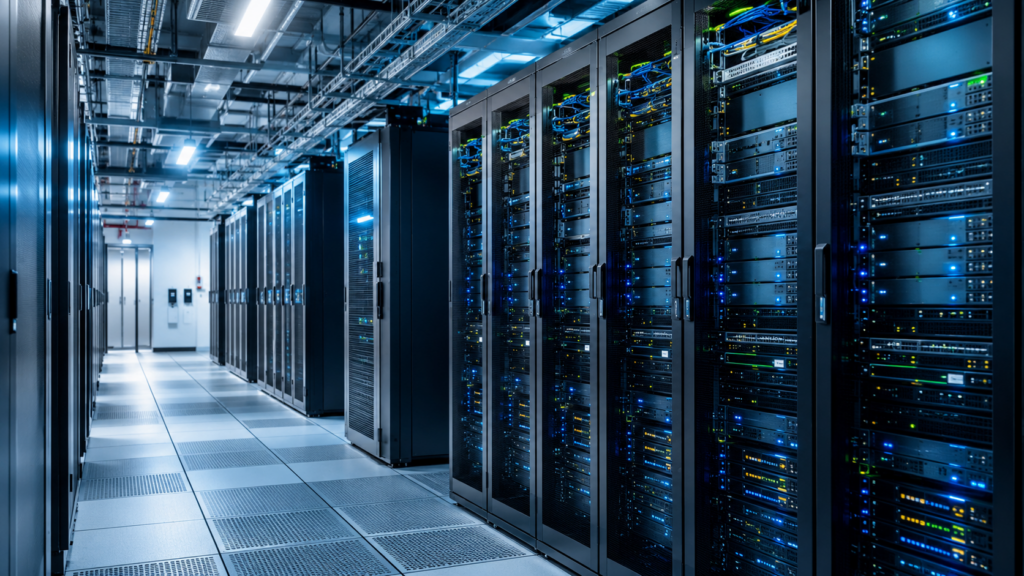
Cooling is one of the most important parts of critical data center infrastructure. Equipment generates heat during operation, and that heat must be managed carefully to protect performance, uptime, and system stability. Crystal Peaks emphasizes self-contained closed loop cooling as part of its facility approach.
Self-contained closed loop cooling supports controlled thermal management within the data center environment. This helps maintain reliable equipment conditions while supporting a more responsible infrastructure model. For businesses evaluating long-term data center partners, cooling design matters because it affects reliability, efficiency, resilience, and the facility’s relationship with surrounding utility systems.
Community Partnership, Noise Control, and Utility Cost Awareness
Critical infrastructure should support business performance without creating unnecessary pressure for the communities around it. Crystal Peaks places strong emphasis on being a community partner, not only a data center operator. That means planning facilities with attention to local concerns, responsible operations, and long-term community confidence.
Two of the most important community considerations are noise and utility cost. Crystal Peaks facilities are not noisy, and the company emphasizes infrastructure planning that does not increase utility costs for surrounding communities. These points matter because data center development must be reliable for businesses while also being responsible toward residents, municipalities, local services, and nearby organizations.
Critical Infrastructure and Uptime
Uptime is one of the most important outcomes of strong infrastructure planning. Organizations need systems that remain accessible during normal operations, increased demand, maintenance windows, and unexpected disruption. This requires dependable facility systems, structured monitoring, redundancy planning, and clear operational procedures.
Internal server rooms or underplanned facilities may struggle when equipment loads increase or when cooling, power, or connectivity demands become more complex. A purpose-built data center environment gives organizations a more stable foundation for essential workloads, especially when uptime is directly tied to service delivery, customer experience, or revenue protection.
Security and Compliance Readiness
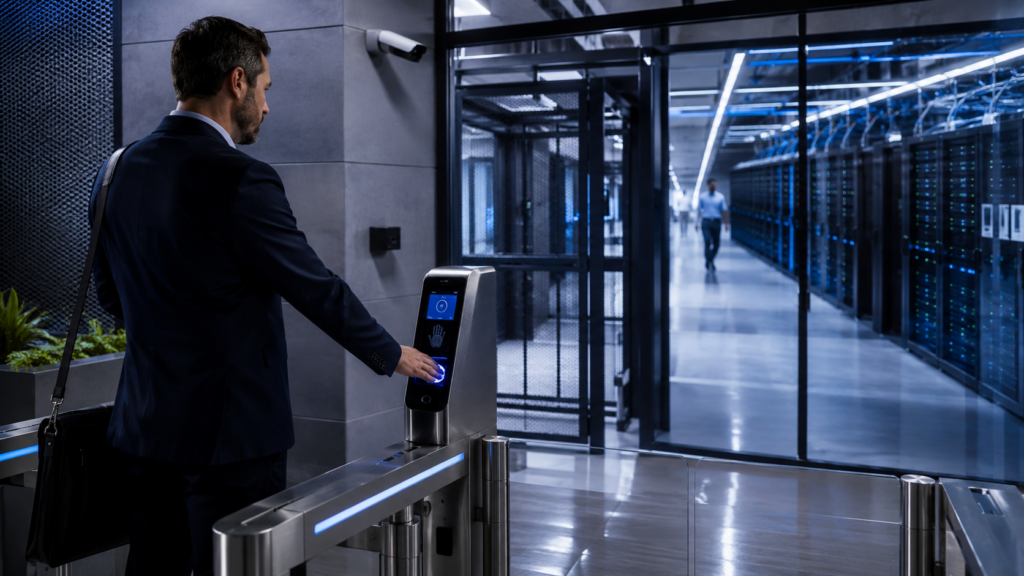
Critical infrastructure must also support security and compliance. Organizations that handle sensitive information need clear controls for physical access, system availability, documentation, monitoring, and operational accountability. This is especially important in industries such as finance, healthcare, technology, logistics, and enterprise services.
A stronger infrastructure environment can help businesses prepare for audits, improve visibility, and reduce avoidable gaps in data handling or facility management. Crystal Peaks supports this through data center compliance planning that aligns infrastructure with secure operations and responsible governance.
Scalable Infrastructure for Growing Digital Demand
Technology requirements continue to expand as organizations use more cloud services, automation tools, data platforms, artificial intelligence workloads, and customer-facing applications. Infrastructure that works today may become restrictive if it is not designed with future demand in mind.
Scalable infrastructure helps organizations grow without unnecessary disruption. This may include additional equipment capacity, stronger cooling performance, improved connectivity, more secure space, or a transition into managed data center environments. Crystal Peaks supports organizations with infrastructure options such as colocation solutions and secure facility planning for long-term digital operations.
Supporting Business Continuity
Business continuity depends on the ability to keep essential systems available when disruption occurs. This includes planning for power interruptions, equipment issues, cyber risk, environmental pressure, and growth-related strain on existing systems. Critical infrastructure gives organizations a stronger base for continuity planning because it connects physical facility readiness with digital performance requirements.
With the right infrastructure strategy, businesses can reduce avoidable downtime, improve system resilience, and support the platforms that teams, customers, and partners depend on. Learn more about the full range of data center services available through Crystal Peaks Data Centers.
Frequently Asked Questions About Critical Infrastructure
What is critical infrastructure in a data center?
Critical infrastructure in a data center includes the systems that support reliable digital operations, such as power, self-contained closed loop cooling, connectivity, physical security, monitoring, backup systems, and facility planning.
Why is critical infrastructure important for businesses?
Critical infrastructure helps businesses maintain uptime, protect data, support secure access, reduce disruption risk, and create a stronger foundation for digital services and operational continuity.
How does self-contained closed loop cooling support a data center?
Self-contained closed loop cooling helps manage heat within a controlled facility environment, supporting equipment stability, uptime, and reliable performance for critical systems.
How does Crystal Peaks support surrounding communities?
Crystal Peaks emphasizes responsible community partnership through quiet facility operations, infrastructure planning that does not increase local utility costs, and long-term site planning that considers nearby residents, municipalities, and organizations.
How does critical infrastructure support compliance?
Well-planned infrastructure can support compliance by improving access control, documentation, monitoring, audit visibility, and secure operational procedures.
Can critical infrastructure scale as a business grows?
Yes. Scalable critical infrastructure is designed to support future equipment needs, higher data volumes, stronger connectivity, and growing operational demands without unnecessary disruption.